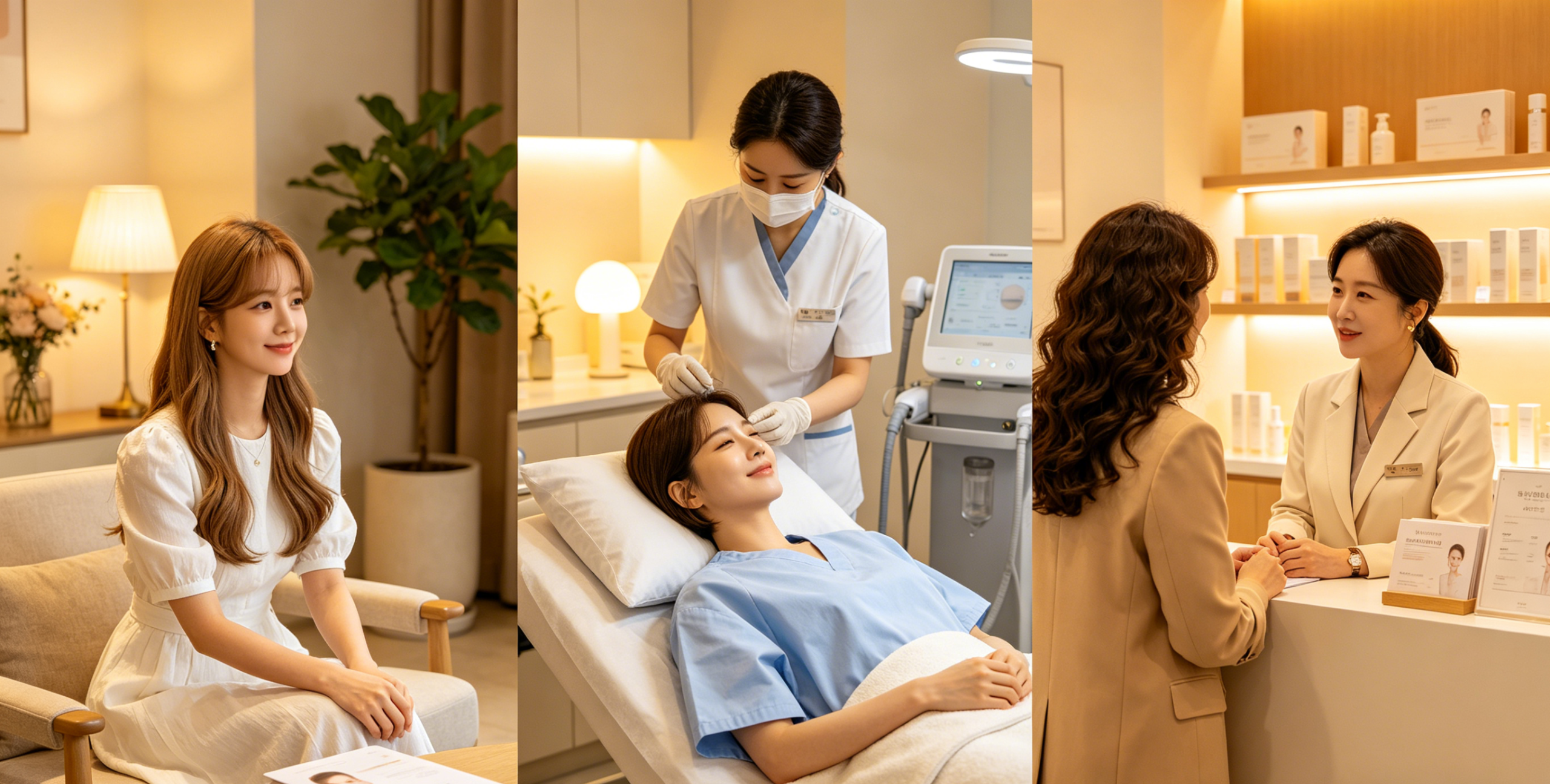
“Will botulinum toxin injections cause my face to become stiff?” – This is the most concerning question for Taiwanese women before going to South Korea for botulinum toxin treatments.
Botox is probably the most common cosmetic procedure in South Korea. Just walk down the streets of Gangnam, and you’ll find that perhaps half of the Korean women there have undergone this treatment. However, when I first got Botox in Taiwan, the doctor’s technique was not precise enough, resulting in my eyebrows being unable to lift properly – for two whole weeks, I looked as if I was constantly angry. Later, when I got it done in South Korea, the same area was treated so smoothly that my colleagues couldn’t even tell the difference. This article outlines the various brands of Botox available in South Korea, their prices, the areas where it can be injected, and the associated risks, helping you avoid making the same mistakes I did.
What is botulinum toxin? An analysis of South Korea’s practices
Botulinum Toxin, also known as Botox, is a neurotransmitter blocker. When injected into muscles, it causes the muscles to relax and reduces the appearance of dynamic wrinkles. The most commonly used brands in South Korea include:
🔹 Botox: A product manufactured by Allergan in the United States, it is globally renowned, and its effects last for 4 to 6 months.
🔹 Dysport (BARUNGYN): A product manufactured by the French company Ipsen. It has a wider spread range than Botox and is suitable for large-area injections.
🔹 Meditoxin (botulinum toxin): A locally produced brand in South Korea (Medytox), it offers the lowest price and is the most commonly used by clinics in South Korea.
🔹 Nabota: A new brand from South Korea’s Daewoong company, whose results are comparable to those of Botox.
🔹 Lantox: A product produced in Lanzhou, China. It has the lowest price, but it is less commonly used by clinics in South Korea.
The practices of South Korean clinics have several distinctive features: First, the dosage is precisely controlled. South Korean doctors usually use smaller amounts to achieve natural results, avoiding excessive injections that could cause facial stiffness. Second, the areas treated are diverse. In addition to common targets such as frown lines and crow’s feet, South Korean doctors also treat the calves (for leg slimming), the jawline (for face slimming/contouring), and the armpits (for sweat reduction). Third, these treatments are often combined with other therapies. South Koreans frequently combine Botox with HIFU or fillers to address multiple issues in one session.
What is the effect? Which specific problems are actually addressed?
The effects of botulinum toxin are very clear, but it is only effective against “dynamic wrinkles” – those that appear when making facial expressions.
😤 Frown lines: 7 to 14 days after the treatment, the “frown lines” between the eyebrows become significantly less noticeable, and the face relaxes, so the eyebrows no longer furrow together when expressing emotions.
😄 Crow’s feet: The number of smile lines at the corners of the eyes has decreased, but this does not affect the natural appearance of a smile.
😰 Crow’s feet: The horizontal lines on the Forehead are reduced, but it doesn’t prevent you from raising your eyebrows completely (at normal dosages).
💪 Slimming the face/defining its contours: After the Masseter muscle is treated, the lower one-third of the face becomes narrower, and the results become visible in about 2 to 4 weeks.
🦵 Slim Legs: After the gastrocnemius muscles are treated, the size of the leg muscles decreases, making this option suitable for people with well-developed leg muscles.
Effect timeline: Effects begin to be noticeable 3–5 days after the injection, reach their peak at 7–14 days, and last for 4–6 months. South Korean doctors generally recommend a booster shot every 4 months, as this will result in longer-lasting effects (since the muscles gradually adapt and become accustomed to the treatment).
⚠️ Important reminder: Botulinum toxin cannot improve static wrinkles caused by the loss of Collagen; such wrinkles appear even when no facial expressions are made, and in such cases, fillers or laser treatments are required.
Who is this suitable for? No analysis of suitable demographic groups.
Ideal candidates:
✅ For those with noticeable dynamic wrinkles – the more pronounced the frown lines, crow’s feet, or forehead lines, the better the results will be.
✅ For those who want to slim their faces without undergoing surgery – Masseter botulinum toxin injections are a common beauty routine among South Korean women.
✅ For people who tend to sweat easily – Botox injections in the armpits can significantly reduce sweating.
✅ For those who prefer natural results and avoid more invasive procedures – Botox is a minimally invasive treatment with low risks.
✅ For those who want to see quick results: noticeable improvements can be observed already two weeks after the treatment.
Not suitable for the following groups of people:
❌ Pregnant or breastfeeding – Although there is no clear evidence indicating that it is harmful, it is not recommended.
❌ People who are allergic to albumin or botulinum toxin
❌ People with neuromuscular diseases such as myasthenia gravis or Lambert-Eaton syndrome
❌ People who are currently taking aminoglycoside antibiotics: This increases the risk of muscle weakness.
❌ For those who expect “permanent results after just one treatment” – the effects of botulinum toxin will fade over time.
What is the difference between South Korea and Taiwan? A comparison of technology and results.
Botulinum toxin injections are available in both South Korea and Taiwan, but the actual experience varies significantly.
Brand selection: Almost all clinics in South Korea offer four brands for selection – Meditoxin, Nabota, Botox, and Dysport. In Taiwan, most clinics only provide Botox and Dysport. The prices of South Korean brands (Meditoxin, Nabota) are 30–50% lower than those of Botox, and the effects of these brands are not significantly different from Botox.
Prices: Taking frown lines (20–30 injections) as an example, Botox in Taiwan costs approximately NT$12,000–18,000, while Meditoxin in South Korea costs around KRW 980,000–1.2 million (equivalent to NT$1,900–2,800), representing a price difference of nearly five times. The cost of botulinum toxin in South Korea is truly extremely low.
Accuracy of injection: Plastic surgeons in South Korea have a very in-depth understanding of the anatomy of facial muscles—they know exactly at which layer to inject, how much volume to use, and at what angle. In some clinics in Taiwan, nurses are sometimes tasked with performing these injections, but in South Korea, it is almost always the surgeons themselves who carry out the procedure. The difference in accuracy directly affects the outcome, determining whether the result appears natural or not.
Face slimming effects: In South Korea, the practice of using “face slimming injections” is highly developed, and doctors have extensive experience, so problems such as asymmetrical Masseter development or excessive atrophy are relatively rare. In Taiwan, however, the number of cases involving face slimming injections is lower, and doctors’ experience levels vary.
What is the approximate price? A summary of the market situation in South Korea in 2026.
In South Korea, the price of botulinum toxin is calculated based on the area of application and the brand used.
Frown lines/forehead wrinkles: ¥980,000 to ¥150,000 (approximately NT$1,900 to NT$3,500); requires 20 to 40 units.
Crow’s feet: ¥950,000 to ¥1,000,000 (approximately NT$1,200 to NT$2,400); 12 to 24 units are required on each side.
Face slimming injections (for the Masseter muscle): ¥80,000 to ¥150,000 per side (approximately NT$1,900 to NT$3,500 per side); usually, both sides need to be treated.
Thinner Legs: ¥920,000 to ¥350,000 per side (approximately NT$4,700 to NT$8,300 per side)
Comprehensive facial treatment (frown lines + crow’s feet + forehead wrinkles): NT$920,000 – NT$350,000 (approximately US$4,700 – US$8,300)
💡 Tip: In South Korea, clinics often offer “first-time customer discounts” or “repeat customer benefits,” with prices 20–30% lower than the regular rates. It’s advisable to compare prices from several sources instead of relying solely on the lowest price; products that are too cheap may actually be diluted versions.
Brand differences also affect prices: Meditoxin is the cheapest, while Botox is the most expensive, with a price difference of approximately 30-50%. However, South Korean doctors generally consider Nabota to offer the best value for money; its effects are similar to those of Botox, but the price is only half of it.
If you want to see the specific prices for Botox at various clinics, you can refer to the transparent pricing information provided by Director Choi of KARIN. It includes a comparison of Botox prices, as well as the cost of the anti-allergy glow treatment that uses Botox at ⩓50,000 won.
What should be considered regarding the risks associated with the treatment and the recovery period?
The risks associated with botulinum toxin treatments are relatively low, but they are by no means zero:
Common side effects:
🔴 Slight redness and bruising at the injection site (subside within 1-3 days)
🔴 Slight headache (on the same day or the next day after the treatment)
🔴 Weakness in the muscles at the injection site (this is a normal phenomenon; you will adapt within a few days).
Severe risks (rare but deserving attention):
⚠️ Drooping eyebrow tips: If too many wrinkles are created around the eyebrow tips or if their location is too close to these areas, it can cause the eyebrows to droop, giving the appearance of anger.
⚠️ Drooping eyelids: In very rare cases, if botulinum toxin spreads to the levator palpebrae superioris muscle, it can cause one eyelid to droop.
⚠️ Excessive atrophy of the Masseter muscle – Repeated injections for facial slimming may result in an excessively thin face, leading to the problem of “sunken temples”.
⚠️ Difficulty swallowing – This is extremely rare, but it may occur if the neck muscles are injected with an excessive dose of the substance.
Postoperative precautions:
✦ Do not massage the injection area within 4 hours after the treatment (to prevent botulinum toxin from spreading to areas where it should not go).
✦ Do not lie down within 24 hours (to prevent the botulinum toxin from shifting).
✦ Do not use saunas or engage in intense physical exercise within one week.
✦ Do not undergo treatments such as laser therapy or microneedling within 2 weeks after the treatment.
In conclusion: Is this treatment really worth undergoing?
Botulinum toxin is considered the “basic skill” of South Korea’s cosmetic medicine industry – virtually everyone who goes to South Korea for cosmetic treatments receives at least one injection. Its advantages are clear: significant results, low risk, quick recovery, and affordable prices. In South Korea, the cost of botulinum toxin injections is only one-third to one-fifth of that in Taiwan. While flying to South Korea solely for botulinum toxin injections might not be worthwhile, when combined with other treatments, it definitely adds significant value.
Key points when choosing a clinic: Make sure that the treatment is performed by a doctor personally (not a nurse), request to see the product packaging and batch number on-site, and opt for a conservative initial dose – it’s better to get less than too much; you can always get a supplementary injection if you’re not satisfied.
If you want to learn about the complete reservation process for medical aesthetics in South Korea and get more recommendations for clinics, please check out “About Us”.
How to make an appointment
In South Korea, there are only two official channels for making appointments for medical beauty treatments. Any other channels carry the risk of encountering scams.
Route A: Direct connection via WeChat → Add s-sourire → One-on-one pre-operative assessment, immediate inquiry about the director’s schedule, access to internal discounts, and Chinese-speaking translation services available.
Route B: BeautsGO (mini-program) → Search for “BeautsGO” on WeChat → Enter the English name of the hospital to make a reservation directly → Transparent price comparisons, exclusive platform discounts, and a dedicated green channel for certified users.
⚠️ Do not use the official website, KakaoTalk, or walk-in services for reservations. These channels do not offer Chinese-language support, and you will not be able to take advantage of the special discounts reserved for Taiwanese customers.

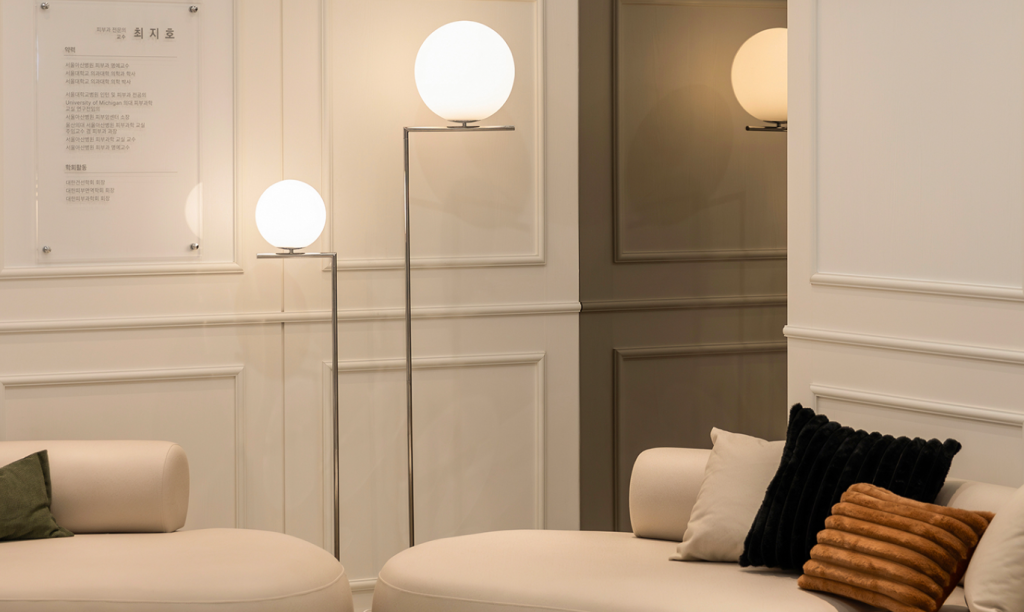
![[Seoul Dermatology Appointments] Lumiin Dermatology: 2% discount for in-person consultations at specialized hospitals; detailed address and Chinese-language consultation services available.缩略图 [Seoul Dermatology Appointments] Lumiin Dermatology: 2% discount for in-person consultations at specialized hospitals; detailed address and Chinese-language consultation services available.](https://koreanclinic.cceeo.com/wp-content/uploads/2026/01/Lumei-Skin-Clinic-1024x612.png)
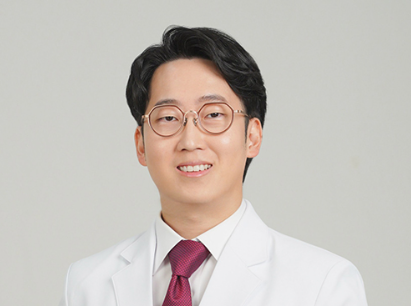
![[2% of specialists in South Korea] Dr. Choi Jae-won | Seoul Lumiin Dermatology: One-on-one appointments with specialist physicians缩略图 Dr. Jaewon Choi Korean board-certified dermatologist at Lumei Skin Clinic in Seoul](https://koreanclinic.cceeo.com/wp-content/uploads/2026/01/screenshot_2026-01-16_16-18-42-e1768551916793.png)
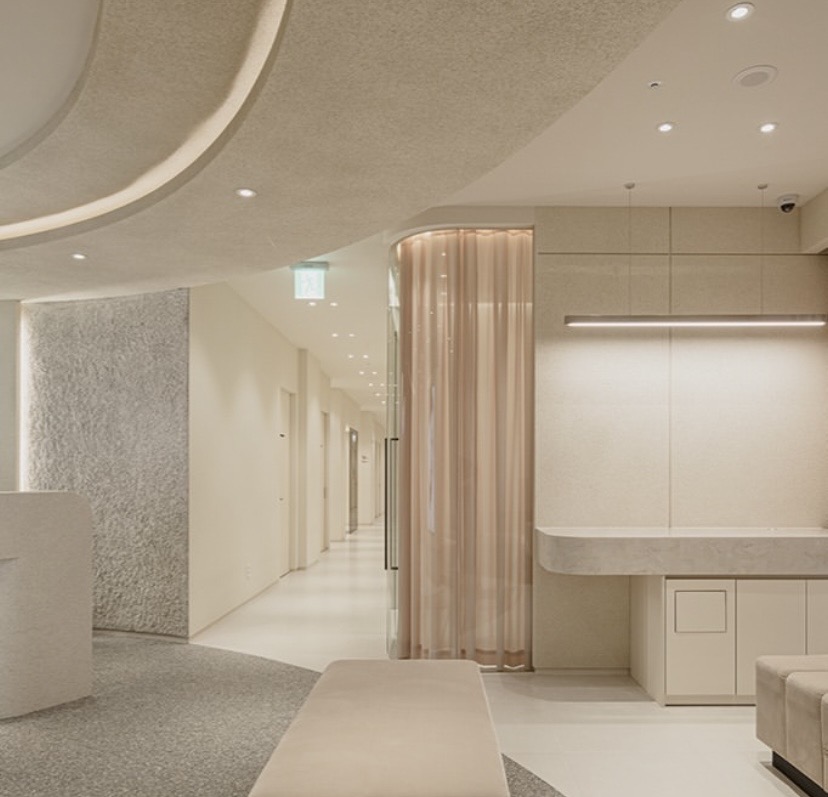
![[Busan Dermatology Appointments] Floria Dermatology Clinic: 1:1 personal consultation at Seomyeon Station, along with Chinese address and quick appointment services.缩略图 Floria Dermatology Clinic in Busan South Korea](https://koreanclinic.cceeo.com/wp-content/uploads/2026/01/3840800111_208637907231_IMG_8822-2.jpg)