🇰🇷 A Comprehensive Guide to HIFU in Korea: Why Is Korea the Global Leader?
HIFU has become one of the most popular non-invasive anti-aging treatments in Korea. Its principle involves using high-intensity focused ultrasound to penetrate deep into the subcutaneous fascia layer, stimulating collagen regeneration.
However, the key to successful treatment in Korea lies not in the equipment itself, but in “precise assessment”.
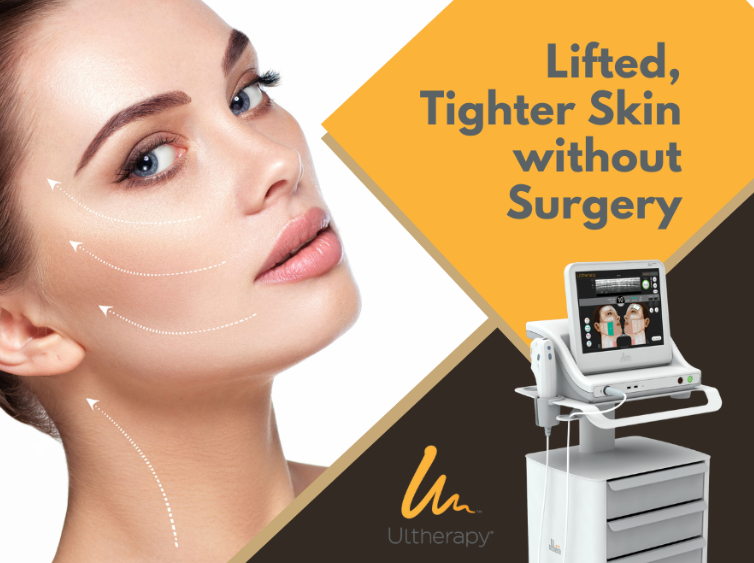
🔍 In-Depth Comparison of Popular HIFU Devices in Korea in 2026
Before making an appointment, it’s important to understand the three most commonly used devices in Korean clinics:
| Device Name | Key Features and Advantages | Target Audience | Price Range (for Reference) |
| Ulthera (US Version) | Features real-time video monitoring for the highest level of accuracy. | Those seeking long-term results (1-1.5 years) with sufficient budget. | 1.5 million to 3 million Korean won. |
| Shurink (Hafu sonic waves). | Korean-made model, optimized for Asian facial features. | First-time users looking for great value and regular maintenance. | 300,000 to 800,000 Korean won. |
| LinearZ (linear sonic waves). | Super-fast treatment, offering both fat reduction and firming effects. | People who are sensitive to pain or have a more prominent jawline. | 400,000 to 900,000 Korean won |
🛡️ 4 key factors evaluated by dermatologists (why can’t these be addressed directly?)
In Korea, specialized clinics adhere to the “evaluation first, appointment later” approach because doctors need to assess the following:
- Facial fat distribution: Avoid areas with thinner fat layers, such as the temples and sunken cheeks, to prevent premature aging after the procedure.
- Depth of the fascia layer: The depth of the SMAS layer varies from person to person, so doctors must choose the appropriate probe (1.5mm / 3.0mm / 4.5mm) based on these differences.
- State of the skin barrier: If the skin is in an acute allergic or inflamed state, performing the procedure could damage the barrier.
- Comprehensive planning: Determine whether hyaluronic acid or botulinum toxin should be used in combination to achieve a natural, enhanced result.
📝 Standard Korean consultation process: From diagnosis to treatment
- Step 1: 3D imaging analysis/diagnostic palpation to determine the level of skin laxity (whether it’s due to the epidermis or the fascia).
- Step 2: Personalized settings for the number of pulses and energy intensity—no one-size-fits-all approach. Doctors will adjust these parameters based on your pain tolerance and facial structure.
- Step 3: Authenticity Verification – Korean licensed clinics will open the original device in front of you and provide a post-treatment report.
- Step 4: Gradual Recovery Management – Explanation of expected immediate results (about 20%) and peak effects (after 3 months).
💡 Tips for Booking a Treatment in Korea: Who This Guide Is Suitable For?
- Seeking Natural Lifting – No surgery desired; interested in non-invasive methods to improve the jawline and nasolabial folds.
- Smart Budget Allocation – Want to know the differences between American and Korean models? Choose the best option for your needs.
- Priority on Medical Safety – Look for clinics where doctors provide one-on-one consultations, not just advisors.
✅ Conclusion: Start Your Beauty Journey with a Proper Assessment
True lifting results come from accurate diagnosis, not expensive equipment. When planning your Korean cosmetic treatment, prioritize clinics that offer “in-depth skin assessments” so doctors can create a personalized, high-quality treatment plan for you.
[Check Now: Schedule a One-on-One Assessment with a Korean Dermatologist]
⚖️ Medical Disclaimer
The content on this page is for informational purposes only and does not constitute any medical advice. All treatments should be carried out by qualified medical professionals after individual assessment.